
In the world of precision engineering and manufacturing, measurement tools are the unsung heroes that ensure quality, consistency, and performance. Among these, the outside digital micrometer set stands out as one of the most essential instruments for accurate dimensional measurement. Whether used in metalworking, automotive production, aerospace engineering, tool-making, or quality inspection labs, a digital micrometer offers unparalleled accuracy and ease of use compared to traditional analog variants.
This article explores everything you need to know about outside digital micrometer sets — including how they work, where they’re used, key features to consider when buying, and how companies like Imnoor & Company are shaping the world of industrial measurement tools.
What Is an Outside Digital Micrometer Set?
An outside digital micrometer set is a collection of micrometers designed primarily to measure the external dimensions of an object — such as the outside diameter of a shaft, thickness of a sheet, or width of a machined part. The “digital” part refers to the electronic display that directly shows the measurement in metric or imperial units, making readings quick, clear, and highly accurate.
Unlike vernier or mechanical micrometers, digital models remove interpretation errors by displaying measurements on an LCD screen, often with features like data output, zero setting, and unit conversion.
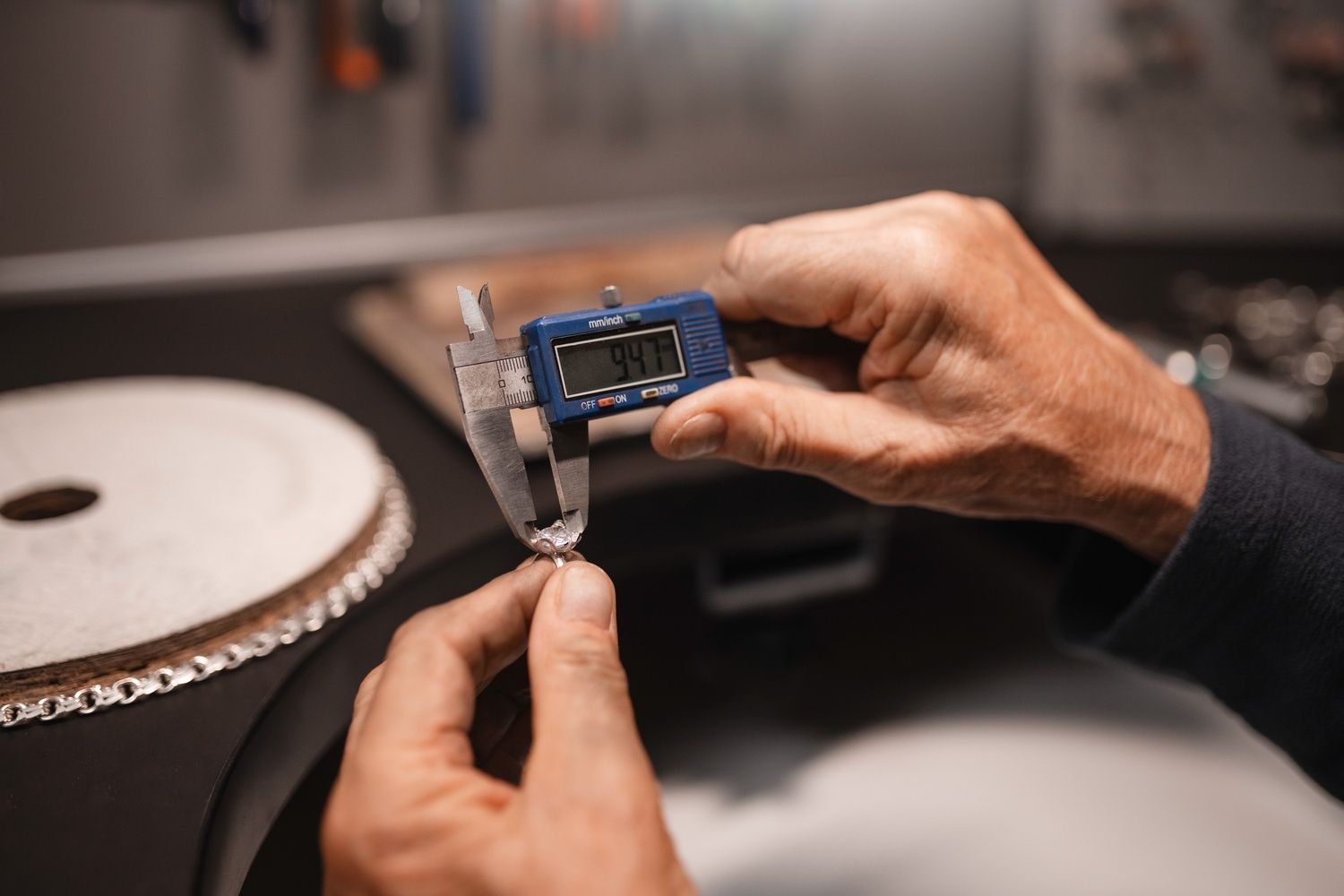
Core Components and Working Principle
A typical outside digital micrometer consists of:
Frame: The rigid C-shaped body that supports the instrument.
Anvil and Spindle: Two opposing surfaces that contact the workpiece.
Ratchet Stop / Thimble: Ensures consistent pressure for repeatable measurements.
Digital Readout: LCD screen showing measurement values.
Battery and Electronics: Power and interpretation circuitry.
How It Works
The workpiece is placed between the anvil and spindle.
The thimble is turned until the spindle touches the part.
A ratchet stop ensures consistent force to avoid over-tightening.
The sensor detects linear movement and converts it into an electrical signal.
The digital display shows the measurement, typically with ±0.001 mm accuracy or better.
This process enables engineers and technicians to take quick, reliable measurements with minimal skill training.
Why Digital Micrometers Are Preferred
Outside digital micrometers are popular for several compelling reasons:
1. Speed and Accuracy
Digital readouts eliminate manual interpretation, reducing reading time and human error. Most industrial digital micrometers measure with resolutions of 0.001 mm (1 µm) or 0.00005 in, which is crucial for high-precision components.
2. Ease of Use
Unlike vernier scales that require experience to read accurately, digital micrometers display measurements directly. This reduces training time and improves consistency across teams.
3. Data Integration
Many modern digital micrometers support data output via USB, Bluetooth, or wireless protocols. This facilitates statistical process control (SPC), digital record-keeping, and integration with quality management systems.
4. Unit Conversion
With the press of a button, users can switch between metric and imperial units — a handy feature when working in mixed-standard environments.
Typical Applications
Outside digital micrometer sets are widely used across industries, including:
Manufacturing & Machining
Checking shaft diameters, slot widths, and component thicknesses
Verifying tolerance adherence on CNC-machined parts
Ensuring consistency across production runs
Automotive & Aerospace
Measuring engine components, bearings, and critical fasteners
Ensuring parts meet strict performance specifications
Tool and Die Making
Validating precision tooling dimensions
Monitoring wear and tear on dies, punches, and molds
Quality Control Labs
Routine inspection of incoming raw materials
Verifying finished goods before shipment
Choosing the Right Outside Digital Micrometer Set
When selecting a digital micrometer set, buyers should consider the following:
1. Measuring Range
Micrometer sets usually cover ranges such as:
0–25 mm (0–1 in)
25–50 mm (1–2 in)
50–75 mm (2–3 in)
… and so on.
A set typically includes multiple instruments to cover larger ranges.
2. Accuracy and Resolution
Check the specified tolerance and resolution. For industrial work, ±0.002 mm or better is often required.
3. Build Quality
Look for:
Hardened steel measuring faces
Smooth spindle action
Robust digital display housing
Durability matters in shop floor environments.
4. Additional Features
Locking clamp: Prevents accidental changes once measured
Ratchet stop: Ensures consistent measurement force
Auto shut-off: Preserves battery
Data interface: For digital logging
5. Supplier Support and Calibration Services
Reliable calibration and after-sales support are vital to maintaining measurement accuracy over time.
Imnoor & Company: A Trusted Name in Industrial Measurement Tools
In the industrial tools landscape, Imnoor & Company has emerged as a reputable supplier of precision instruments, including outside digital micrometer sets. With a focus on quality, reliability, and customer support, Imnoor has built long-standing relationships across manufacturing, automotive, aerospace, and engineering sectors.
Why Choose Imnoor & Company?
Wide Product Range: From basic micrometers to advanced digital sets, Imnoor offers tools suited for workshop inspection to high-precision labs.
Quality Assurance: Products are sourced from reputed manufacturers and undergo checks before dispatch.
Technical Support: Guidance in tool selection, calibration services, and user support add value beyond purchase.
Customization Services: For clients with specific application needs, Imnoor can help configure custom measurement solutions.
By combining industry expertise with practical tool knowledge, Imnoor & Company helps businesses improve accuracy and quality control in their operations.
Maintaining and Calibrating Digital Micrometers
To maximize the life and accuracy of your outside digital micrometer set:
Daily Use Tips
Store in a protective case when not in use.
Clean measuring faces with a soft cloth.
Avoid exposing electronics to coolant or oil.
Calibration
Regular calibration ensures measurement traceability.
Calibration intervals depend on usage frequency — typically every 3 to 12 months.
Calibration certificates may be required for regulated industries.
Future of Digital Micrometry
Measurement technology continues to evolve. Emerging trends include:
Wireless data transfer to cloud inspection systems
Touchless measurement using optical and laser sensors
Integration with Industry 4.0 systems for automated quality tracking
However, the basic outside digital micrometer remains a cornerstone tool for dimensional measurement — simple, precise, and indispensable.
Conclusion
An outside digital micrometer set is more than just a measurement tool — it’s an investment in quality, precision, and productivity. In modern industrial settings where tolerances are tight and quality standards are high, digital micrometers offer unmatched accuracy and ease of use.
Partnering with a reliable tools supplier like Imnoor & Company ensures that manufacturers and technicians not only receive high-quality instruments but also benefit from expert support and solution-oriented service.
Whether you’re machining complex parts, validating finished products, or building a quality inspection toolkit from scratch, a well-chosen digital micrometer set is a fundamental asset — one that pays dividends in accuracy, efficiency, and confidence in your measurement processes.