
In modern manufacturing, plastics have become indispensable. From automotive components to consumer electronics, medical devices, packaging, and household goods, plastics are everywhere—and so is the need to machine them with accuracy. Unlike metals, plastics present unique challenges when it comes to cutting: they can melt, chip, crack, or deform if not handled properly. This is where precision cutting tools play a crucial role. By selecting the right tools and techniques, manufacturers can achieve clean edges, tight tolerances, and consistent results while extending tool life and reducing waste.
In this blog, we’ll dive into why precision cutting tools for plastic matter, the types of tools available, what to consider when selecting them, and the best practices for achieving perfect cuts every time.
Why Precision Cutting Matters in Plastic Machining
Plastics behave very differently from metals. They are softer, more elastic, and more prone to thermal expansion. When cutting, plastics can melt from friction, warp under pressure, or develop burrs that compromise visual appeal and performance. Precision cutting tools address these problems by:
Reducing heat generation through optimized geometries
Minimizing chip welding, which occurs when plastic sticks to the cutting edge
Providing cleaner finishes, reducing or eliminating post-processing
Improving dimensional accuracy, crucial for engineering and consumer applications
Extending tool life, reducing downtime and costs
In many industries—like medical device manufacturing or electronics—accuracy isn't just nice to have; it's essential.
Types of Precision Cutting Tools for Plastic
The world of plastic machining includes a variety of tools, each designed for specific applications. Here are some of the most common types:
1. Router Bits
Router bits are widely used for cutting plastic sheets, acrylic, polycarbonate, and PVC. High-quality bits feature:
O-flute geometries ideal for chip evacuation
Single or double flutes depending on the required finish and feed rate
Solid carbide construction for durability and sharpness
O-flute bits, in particular, are highly effective because they shear the material cleanly while minimizing heat.
2. End Mills
End mills are essential in CNC machining operations involving engineered plastics such as ABS, Delrin (acetal), PEEK, and nylon.
Specialized end mills for plastic often include:
Polished flutes to reduce friction and prevent chip welding
Razor-sharp cutting edges for smooth finishes
High-clearance angles to improve chip removal
Single-flute and two-flute designs are especially common due to their ability to evacuate chips efficiently.
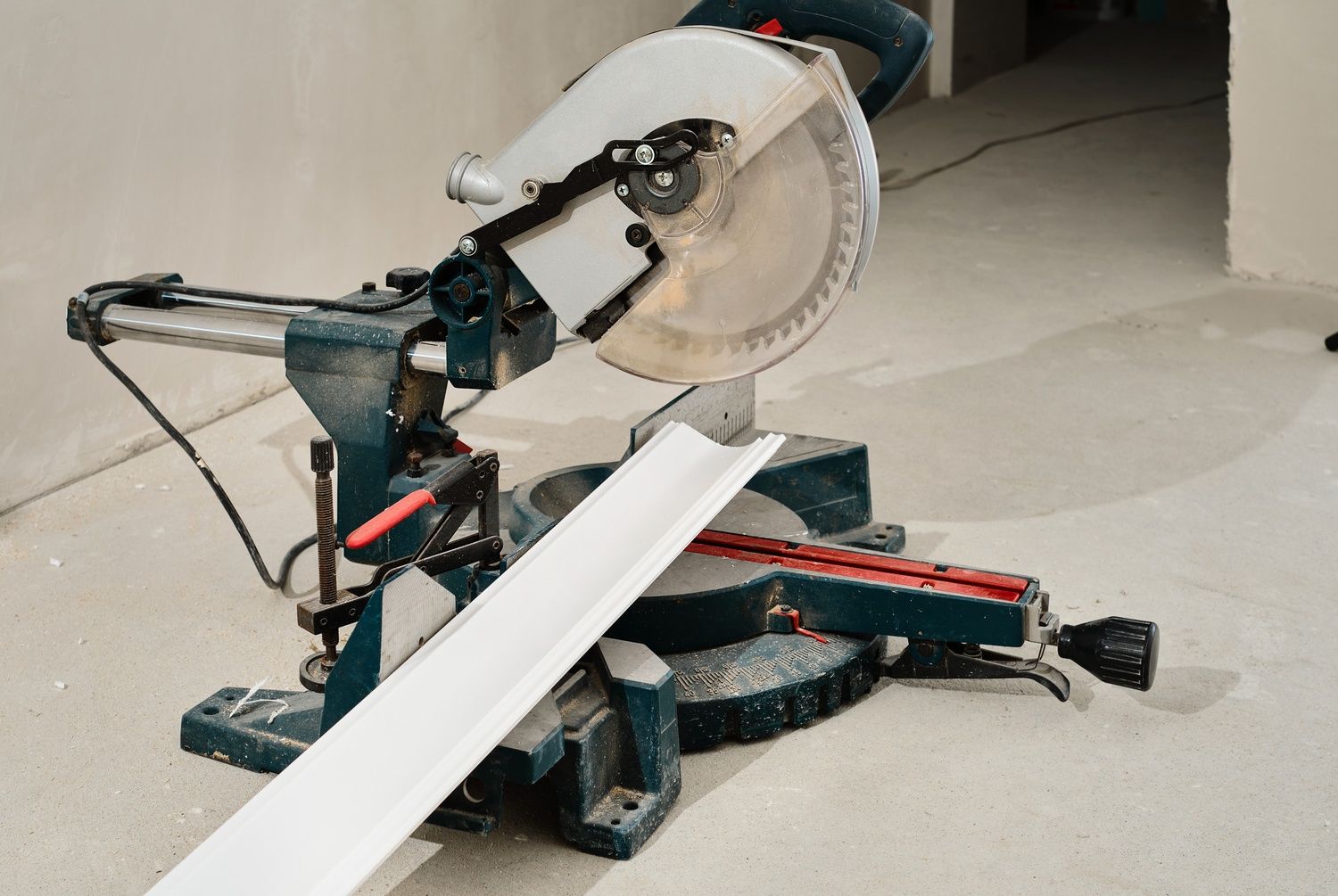
3. Circular Saw Blades
Used for cutting large plastic sheets, pipes, and plates, precision saw blades for plastic typically feature:
Triple-chip grind (TCG) teeth for smooth, controlled cutting
Low chip load to avoid cracking or melting
High tooth counts that enhance finish quality
Special coatings, like carbide or polycrystalline diamond (PCD), can further improve performance.
4. Knives and Blades
For thinner materials such as films, foils, and soft plastics, industrial knives offer unmatched accuracy.
These include:
Rotary cutters
Slitter blades
Utility knives with precision-ground edges
Many of these tools are made with stainless steel or tungsten carbide for added longevity.
5. Laser Cutting Tools
Laser cutting has become popular for plastics like acrylic and PETG.
Advantages include:
Extremely clean edges
High precision with minimal mechanical stress
Ability to create intricate shapes
However, some plastics—such as PVC—should never be laser-cut due to hazardous fumes.
Key Considerations When Choosing Cutting Tools for Plastic
Not all plastics are alike, and neither are cutting tools. Here’s what to keep in mind when selecting the right precision tool:
1. Type of Plastic
Different plastics require different cutting conditions.
Soft plastics (HDPE, PP): Need sharp edges and high rake angles
Brittle plastics (acrylic, polycarbonate): Benefit from polished tools and lower feed rates
Engineered plastics (Delrin, PEEK): Perform best with high-rigidity tools
The harder or more abrasive the plastic, the more important tool material and geometry become.
2. Tool Material
Common materials include:
Carbide: Most popular; sharp, durable, heat resistant
High-speed steel (HSS): Cheaper but less durable
PCD (diamond): Best for abrasive plastics and high-volume production
For long runs or demanding plastics like fiberglass-reinforced polymer, PCD tools are worth the investment.
3. Cutting Geometry
The cutting edge design influences heat, finish, and accuracy.
Important features include:
Rake angle (higher = cleaner cut)
Flute count (1–2 flutes for plastics, more flutes can trap heat)
Helix angle (controls chip flow and surface finish)
A polished flute helps reduce friction and prevents melting—a common problem when cutting acrylic or polycarbonate.
4. Speed and Feed Rates
Plastic cutting requires a delicate balance:
Too fast = melting, sticking, poor finish
Too slow = chipping or cracking
Manufacturers often provide recommended parameters; dialing them in ensures clean, accurate results.
Best Practices for Cutting Plastic with Precision
Even the best tools need proper technique to reach peak performance. Here are some guidelines for achieving flawless cuts:
1. Control Heat Buildup
Heat is the enemy when machining plastics. Techniques include:
Using air blasts to clear chips
Applying mist coolant (for certain plastics only)
Ensuring sharp tools to minimize friction
Avoid flood coolant unless recommended—moisture can affect certain plastics.
2. Maintain Rigid Workholding
Plastic tends to vibrate or flex during machining. Using vacuum tables, clamps, or fixtures enhances accuracy and prevents chatter marks.
3. Use the Right Chip Load
Aim for a chip size that carries heat away from the tool. Too small a chip load causes rubbing; too large risks cracking.
4. Keep Tools Sharp
Plastics require razor-sharp cutting tools. Regular inspection and timely replacement prevent burn marks, cloudiness, or gouging.
5. Test Before Production
Because plastics vary widely—even between batches—it's smart to run test cuts to fine-tune speeds and feeds.
Conclusion
Precision cutting tools for plastic are essential for achieving high-quality, consistent, and efficient machining results. With the right combination of tool material, geometry, and machining strategy, manufacturers can easily overcome the challenges posed by plastics—whether it’s avoiding melting, preventing chip welding, or achieving a polished finish straight off the machine.
As plastics continue to dominate modern manufacturing, investing in the right precision cutting tools not only improves product quality but also saves time, reduces waste, and enhances production efficiency. Whether you're working with acrylic displays, medical device components, or complex engineered parts, the right tools make all the difference.