
In every workshop—whether it is a small repair shop, a large manufacturing unit, or a personal DIY garage—hand tools play a crucial role. Despite the rapid advancement of power tools and automated machinery, hand tools remain indispensable due to their precision, control, and versatility. They form the backbone of daily workshop operations, enabling workers to perform tasks efficiently and accurately.
This blog explores the importance, types, uses, and selection of hand tools for workshop, while also highlighting the role of trusted industrial suppliers like Imnoor & Company in delivering quality workshop solutions.
What Are Hand Tools?
Hand tools are manually operated tools that do not require electricity or external power sources. They are designed for tasks that require precision, flexibility, and human control. These tools are commonly used in workshops for assembling, repairing, shaping, and maintaining various components.
In industrial settings, hand tools are engineered to withstand heavy usage while maintaining accuracy and durability. They are essential for achieving high-quality output in fields such as automotive repair, construction, metalworking, and woodworking.
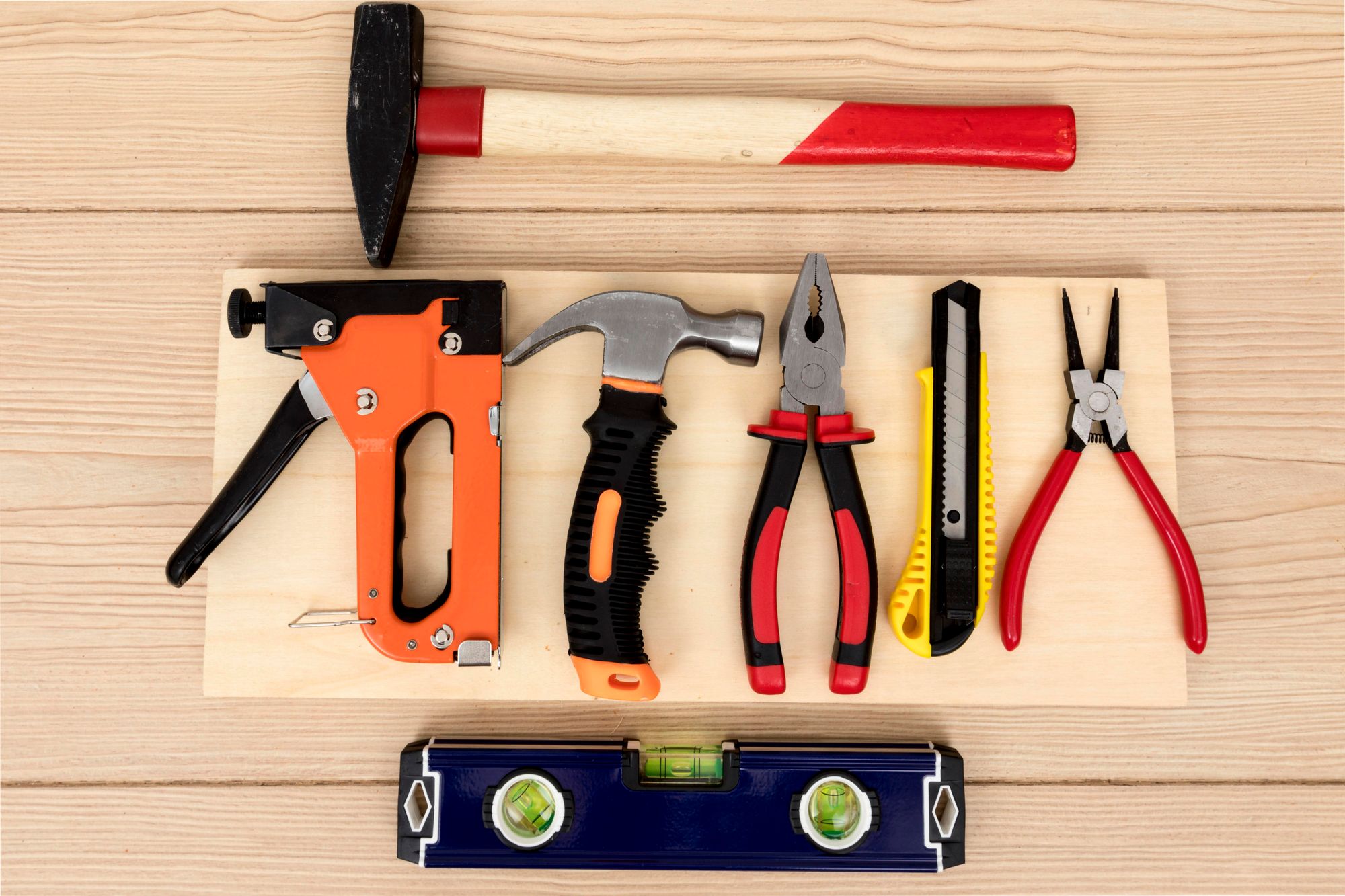
Importance of Hand Tools in Workshops
Even in modern workshops equipped with advanced machines, hand tools remain essential. Their importance lies in several key areas:
1. Precision and Control
Hand tools allow workers to perform delicate tasks that machines cannot handle effectively. Tasks like tightening small screws or aligning components require human touch and accuracy.
2. Versatility
From cutting and measuring to assembling and finishing, hand tools can be used for a wide range of applications.
3. Cost-Effective
Compared to power tools, hand tools are generally more affordable and require less maintenance.
4. Reliability
Hand tools do not depend on electricity, making them reliable in any working condition.
5. Safety
When used correctly, hand tools reduce the risk associated with high-powered machinery.
Workshops that invest in high-quality hand tools often experience improved productivity, reduced errors, and better overall efficiency.
Common Types of Hand Tools Used in Workshops
Hand tools can be categorized based on their function. Below are the most commonly used types:
1. Cutting Tools
These tools are used for cutting materials such as wood, metal, or plastic.
- Hacksaws
- Chisels
- Files
They help shape materials and ensure smooth finishes.
2. Striking Tools
Striking tools are designed to deliver force to an object.
- Hammers
- Mallets
Hammers are among the most widely used tools for driving nails and shaping materials.
3. Fastening Tools
These tools are used for tightening or loosening fasteners.
- Screwdrivers
- Wrenches
- Spanners
They are essential in assembly and maintenance tasks.
4. Holding Tools
Holding tools help secure materials while working.
- Pliers
- Clamps
- Vices
They improve safety and accuracy during operations.
5. Measuring and Layout Tools
Accuracy is critical in any workshop, and these tools ensure precise measurements.
- Measuring tape
- Try square
- Vernier calipers
Even small measurement errors can lead to major defects in final products.
6. Finishing Tools
These tools are used to refine and polish surfaces.
- Files
- Sanding tools
They ensure smooth and professional finishes.
Essential Hand Tools Every Workshop Should Have
A well-equipped workshop must include the following essential hand tools:
- Hammer – For striking and shaping
- Screwdriver set – For various screw types
- Adjustable wrench – For nuts and bolts
- Pliers – For gripping and cutting
- Measuring tape – For accurate measurements
- Hand saw – For cutting materials
These tools form the foundation of any workshop and are necessary for performing everyday tasks efficiently.
Applications of Hand Tools in Workshops
Hand tools are used across multiple industries and applications:
1. Automotive Workshops
Used for repairing engines, assembling parts, and maintenance work.
2. Construction Sites
Essential for carpentry, masonry, and structural work.
3. Manufacturing Units
Used in assembly lines and machine maintenance.
4. DIY and Home Projects
Ideal for small repairs and creative projects.
Their versatility makes them indispensable in both professional and personal settings.
Advantages of Using Hand Tools
Hand tools offer several benefits:
- Greater control over work
- Lower investment cost
- Portability and ease of use
- Durability and long lifespan
- No dependency on power supply
They are especially useful for tasks requiring attention to detail and craftsmanship.
Choosing the Right Hand Tools for Your Workshop
Selecting the right tools is crucial for efficiency and safety. Here are some key factors to consider:
1. Quality and Durability
Choose tools made from high-grade materials like hardened steel to ensure longevity.
2. Ergonomic Design
Tools should be comfortable to use to reduce fatigue and improve productivity.
3. Purpose and Application
Select tools based on the type of work you perform.
4. Safety Features
Look for tools with non-slip grips and protective coatings.
5. Brand and Supplier
Always purchase from trusted suppliers to ensure authenticity and reliability.
Using the wrong tools can lead to poor results, increased costs, and safety risks.
Role of Industrial Suppliers: Imnoor & Company
A workshop is only as efficient as the quality of tools it uses. This is where trusted industrial suppliers like Imnoor & Company play a vital role.
Imnoor & Company is known for providing a wide range of industrial products, including high-quality hand tools suitable for workshops of all sizes. Their product range is designed to meet the demands of modern industries, ensuring durability, precision, and performance.
Why Choose Imnoor & Company?
- Wide range of industrial tools and equipment
- High-quality and durable products
- Reliable supply chain
- Competitive pricing
- Customer-focused service
By sourcing tools from a reputable supplier like Imnoor & Company, workshops can ensure consistent performance and long-term cost savings.
Maintenance Tips for Hand Tools
Proper maintenance extends the life of hand tools and ensures safety:
- Clean tools after use
- Store them in a dry place
- Regularly inspect for damage
- Sharpen cutting tools when needed
- Lubricate moving parts
Neglecting maintenance can lead to tool failure and workplace accidents.
Safety Practices When Using Hand Tools
Safety should always be a priority in any workshop. Follow these guidelines:
- Use the right tool for the job
- Wear protective gear such as gloves and goggles
- Keep tools in good condition
- Avoid using damaged tools
- Maintain a clean workspace
Improper use of hand tools can result in injuries and reduced efficiency.
Future of Hand Tools in Workshops
While automation and power tools continue to evolve, hand tools will remain relevant due to their simplicity and precision. Modern innovations are focusing on ergonomic designs, improved materials, and multi-functional tools to enhance usability.
Workshops that combine traditional hand tools with modern technology achieve the best results in terms of efficiency and quality.
Conclusion
Hand tools are the foundation of every workshop. From simple repairs to complex industrial tasks, they provide the precision, control, and reliability needed to achieve high-quality results. Understanding their types, uses, and proper selection is essential for anyone involved in workshop operations.
Moreover, partnering with trusted suppliers like Imnoor & Company ensures access to premium industrial products that enhance productivity and performance.
Whether you are a professional technician or a DIY enthusiast, investing in the right hand tools is a step toward efficiency, safety, and excellence in your work.